

A gray, stained or irregular facade does not automatically require new painting. Conversely, cleaning can improve its appearance without repairing a damaged coating system. The right decision depends on the cause, the support and its condition. This guide helps prepare a professional evaluation and comparable quotes.
Start by describing the visible problem
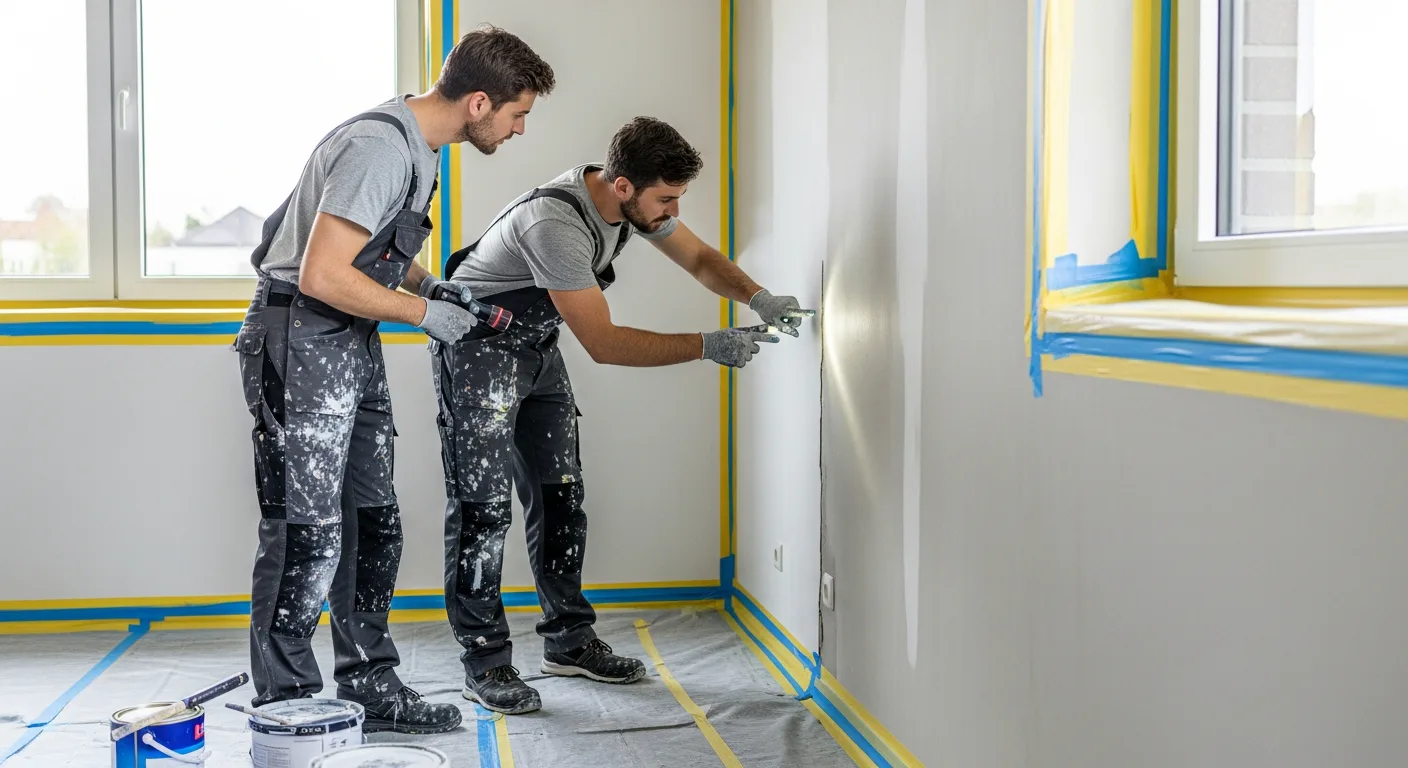
Photograph each side of the building in daylight and mark the affected areas. Distinguish between loose dirt, greenish deposits, dark traces of flow, chalky paint, blisters, flaking and cracks. Note if the problem only occurs on facades exposed to the weather, at the base and edge of the roof or around the connections.
This observation does not yet constitute a diagnosis. Humidity, incompatibility of materials or constructive causes must not be masked by a purely aesthetic mandate.
When to consider cleaning
Facade cleaning is most likely to be considered if the covering and rendering appear solid and if the problem is essentially superficial. The process and pressure must suit the medium. A method suitable for a robust mineral coating can damage a sensitive coating, a wooden facade or a joint. Ask for a test surface and a description of the water, pressure, temperature and cleaning product.
Also ask how dirty water will be collected and the surrounding area protected. Plants, windows, metal elements, neighboring surfaces and areas accessible to the public must be included in the planning.
When a new paint is more appropriate
A new paint should rather be considered if the existing paint is clearly flouring, is altered irregularly or no longer fulfills its protective and aesthetic function. Before painting, the strength, absorbency, old coating and minor damage must be assessed. The base coat, the paint system and the number of coats must therefore not appear as interchangeable fixed items.
A new paint does not solve either an unexplained cause of humidity or an unstable coating. Significant or progressive cracks must be assessed by a specialist before concluding a painting quote.
Distinguish between cleaning, painting and sanitation
| Observation | Solution to examine | Important question |
|---|---|---|
| surface dirt, solid coating | cleaning suitable for material | What test surface and what process? |
| tarnishing or very weathered paint | preparation and painting | Which system is suitable for the existing structure? |
| scaling, humidity, marked cracks | search for causes and sanitation | Who evaluates the support and the cause? |
Access and security must be included in the quote
Building height, terrain, eaves, balconies, road access and public space influence the access solution. Suva describes the installations and equipment suitable for cleaning and maintaining facades. Have the scaffolding, gondola, telescopic system or other process specified instead of letting them be added only after the mandate has been awarded.
Compare the quotes carefully
- Facade surface and sides of the building
- Documentation of the condition and planned test surface
- Cleaning, inspection of the support and repairs in separate stations
- Base coat, product system and number of operations for painting
- Protection of windows, plants, roof and surroundings
- Technology of access, assembly, dismantling and surface support
- Management of dirty water and residual materials
- Exclusions, reception and procedure in the event of an additional finding
The guide to painting work and factors of price completes the examination of services without replacing a visit.
Receipt after cleaning or painting
Check all sides under suitable light. After cleaning, compare with the agreed test surface and look for damage or uneven areas. After painting, check the covering power, connections, protections and documented repairs. Record visual differences that were agreed in advance as possible due to the medium.
Simple preliminary check without risky intervention
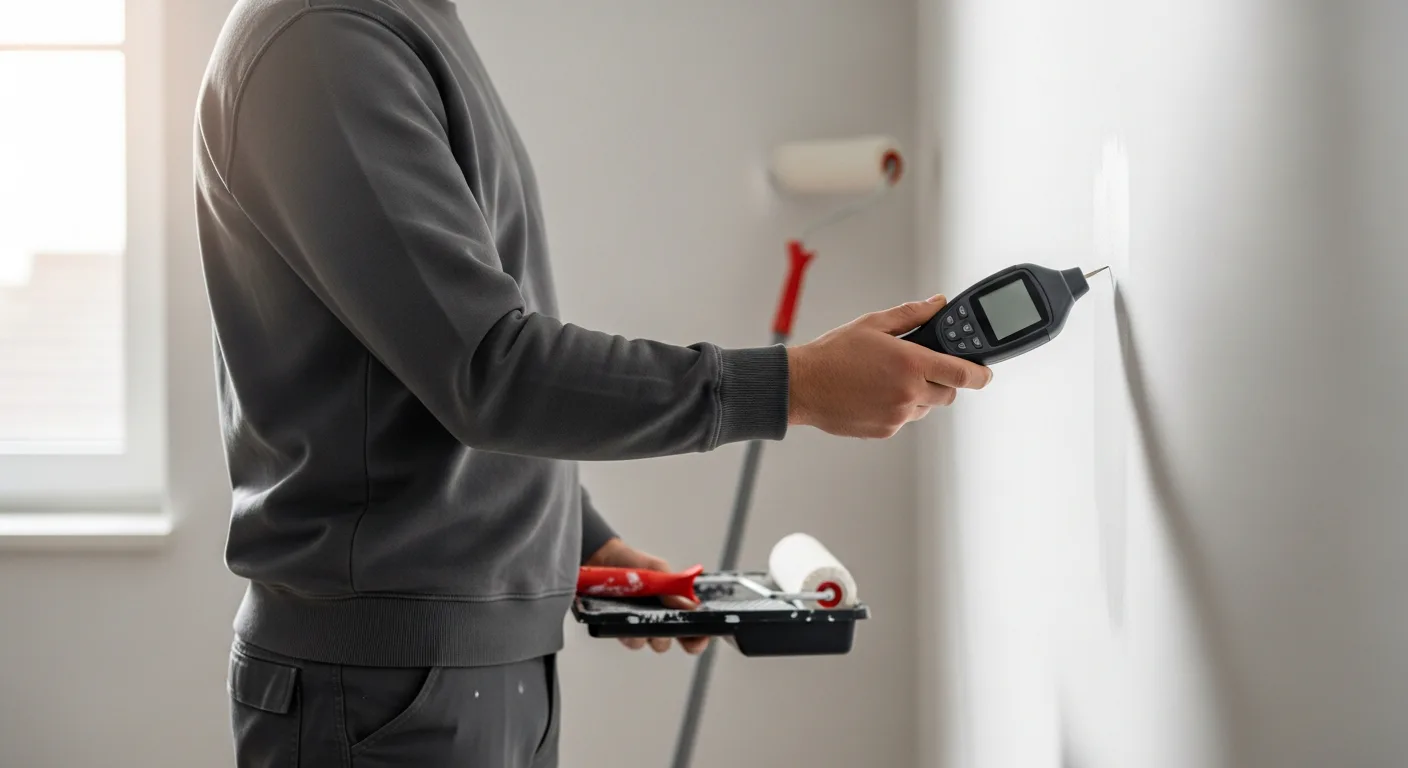
Observe the facade from a safe distance and only touch easily accessible areas. On a dry and discreet area, a white cloth can give indications of chalky paint; the result does not replace a professional check. Scratching, drilling or testing yourself at high pressure can damage the coating and coating. Document changes for several months, especially after rain.
Request several variations in an quote
When the condition is uncertain, an quote with variations may be wise: firstly, cleaning adapted to the material with test surface; second, preparation and new painting; third, thorough examinations in case of damage. Each variant must specify its conditions and exclusions. This avoids comparing minimal cleaning and complete sanitation as if they were the same product.
Integrate color change and the environment
A new paint does not only raise technical questions. The color, existing building elements, neighboring buildings and possible local regulations may be relevant. Before ordering materials, ask the management or the competent municipality if there are any restrictions for the building in question. The painting company can advise on technical suitability, but does not automatically replace the necessary checks regarding permits.
Plan maintenance after work
Have product names, color coding, treated surfaces and maintenance advice documented. Keep photos of the completed facade and known problem areas. Regular visual inspection of the base, fittings and exposed sides helps detect changes early. Without knowledge of the building, its exposure and the system, promises of a fixed lifespan are unreliable.
Typical bad decisions
- Choosing high pressure without controlling the support
- Cover algae or stains without clarifying the cause and preparation
- Calculate scaffolding and surrounding protection only after the fact
- Decide solely according to the shade rather than according to a system compatible
- Treat cracks as simple painting work when their cause is unknown
Keep the documents for future work
After the work, gather the quote, the sheets products, color codes, photos, receipt report and maintenance instructions. For a multi-storey property or a managed building, submit the documentation to the appropriate department. It makes subsequent repairs easier by avoiding having to guess again about the existing system. Also record the untreated facade sides and the observations that remain to be monitored. Comprehensive documentation is often better than a general promise of durability.
Clean or paint: the state decides
It is impossible to answer the question “clean or paint?” » based solely on a photo. A structured condition report, a test surface and a clear distinction between cause, cleaning and coating lead to better decisions. Online-Offerten.ch does not carry out facade work; The request for quotes allows you to compare suitable specialist companies.


